

Being aware of the signs of carbon monoxide is essential when burning fuels in your home. Carbon monoxide fumes are colourless, tasteless and odourless, making them extremely dangerous. They are produced when fuels do not burn completely and can be fatal even at low levels of exposure.
Carbon monoxide can be released by appliances that burn gas, wood, coal, oil and smokeless fuels. Understanding the signs of carbon monoxide and how to prevent exposure can significantly reduce the risk of poisoning.
How Carbon Monoxide Is Produced
They are produced by appliances that use gas, wood, coal, oil and smokeless fuel and can be fatal even with low levels of exposure. Getting your solid fuel or wood burning appliance checked annually by a registered competent person, a HETAS registered engineer, for example, will reduce the risk of your appliance producing Carbon Monoxide.
Maintenance to Reduce the Signs of Carbon Monoxide
These simple steps drastically reduce the risk of Carbon Monoxide poisoning in your home:
- Daily: Empty and check the ashtray every day.
- Weekly: Clean the flueways at the back of a boiler.
- Monthly: Remove and clean the throat plate at the top of a room heater.
- Yearly: Have your chimney swept at least once yearly (twice if using bituminous coal).
If you currently live in rented accommodation, your landlord needs to provide proof that a CORGI-registered installer has completed the necessary safety checks on all appliances within the last 12 months. Without this documentation, the appliance you use and live near could be incorrectly installed or faulty.
Carbon Monoxide Alarm
Carbon Monoxide Alarms can be fitted to alert you if there is a leak. If you are using these alarms, they need to meet European safety standards and must be audible. However, these alarms are not a substitute for regular maintenance and chimney sweeping.
The Solid Fuel Association does not recommend ‘Black Spot’ detectors; these are, according to findings, inaccurate and will not alert people using them if they are overcome by Carbon Monoxide fumes. SFA recommends products which comply with the BS EN 50291:2001 and to put them in the same room as the appliance in question.
Signs of Carbon Monoxide Poisoning
Identifying the symptoms of Carbon Monoxide poisoning early is essential and can save lives.
They are similar to the flu with:
- Nausea
- Tiredness
- Dizzy spells
- Headaches
- Chest pains.
If these symptoms are apparent, it is essential to leave the room, get into the fresh air and seek medical advice. Turning off the appliance is also important, but should not be put above the safety of any inhabitants.
Appliance Appearance
Simple checks of the appliances can often indicate whether there is a fault (these are only guides, and it is highly recommended you annually get your appliances checked by a trained engineer.) A fault could indicate signs of ‘sooting’ or staining around the appliance. This can be caused by a fault and should be checked by an engineer. Excessive condensation within a room can also signify a faulty appliance.
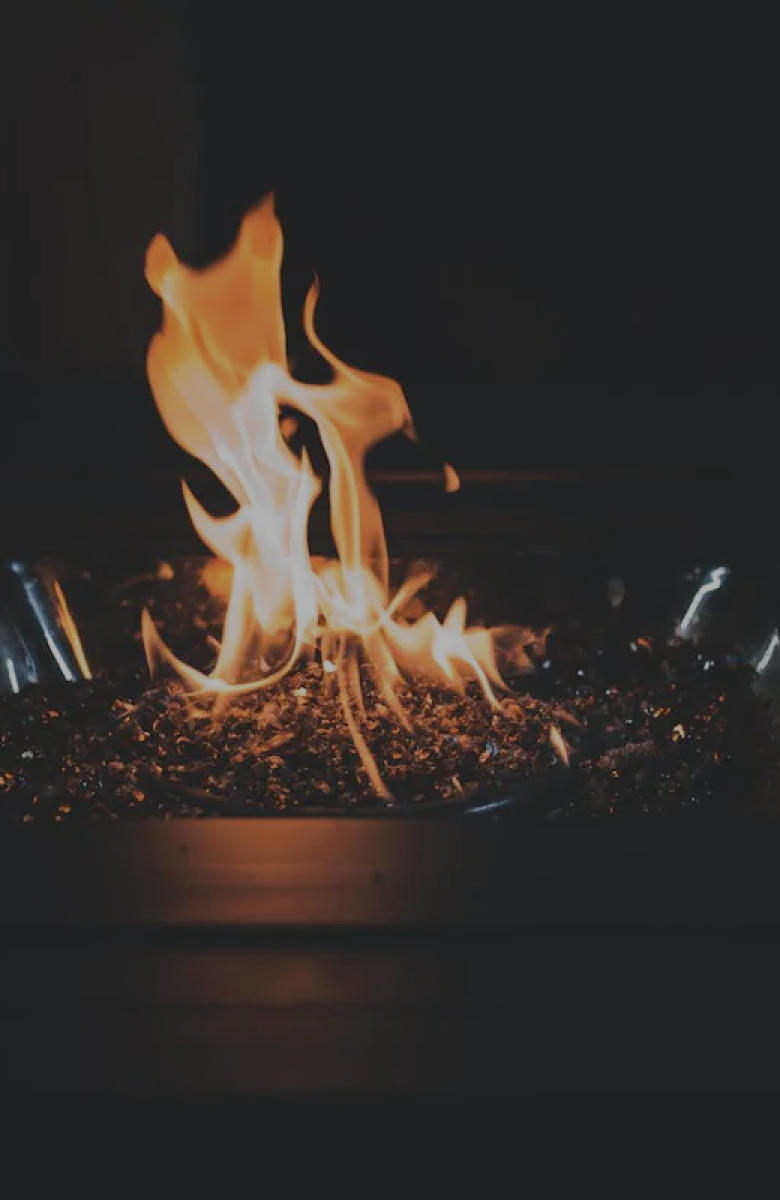
When using a gas appliance, a fault can be detected by inspecting the pilot light. This flame should have a clean blue flame, and you must check for changes regularly. If the flame is a dirty orange colour, the appliance may not work correctly, and there could be a problem.
If you believe your appliance may be faulty, stop using it immediately, open windows to ventilate the area, leave the room and seek medical advice. When receiving medical attention, inform them you suspect you may have Carbon Monoxide poisoning; this will ensure you receive the appropriate test and treatment quickly. You should not use your appliance until a trained, competent engineer has checked it.
If your appliance begins to burn at a slower than expected rate, goes out frequently or produces a smell you suspect is an unwanted fume, you should follow the guide below.
- Open all windows and doors.
- Carefully put out the fire or allow it to burn itself out
- Do not stay in the room longer than what is needed
- Do not re-light until it has been checked by a professional
- Contact your local authority or the Solid Fuel Advice line on 0845 601 4406


